SOLO
Ana Topalovic’s artistic focus is on expanding the possibilities of solo cello performance. She develops dramaturgically shaped programs that explore the full versatility of the instrument—from Baroque repertoire to contemporary music, including collaborations with composers, extended techniques, E-cello, live electronics and visual elements.
MULTICELLO
Multicello is a solo performance concept by Ana Topalovic that expands the sound and form of classical cello performance. It combines acoustic cello, five-string electric cello, live electronics and extended playing techniques. Renowned for her solo performances, Ana has appeared at venues such as Carnegie Hall and Wiener Konzerthaus and has received numerous awards. Her concerts integrate classical and contemporary repertoire, combining acoustic and electronic textures and layered sound structures.
The music is contemporary classical, blending structured and minimalist approaches with experimental and improvisational elements, drawing on folk traditions and the sounds of nature.
The programs bring together contemporary works, collaborations with composers, original pieces and selected solo cello repertoire. Through live processing and looping, multiple musical layers are created in real time, allowing the cello to function as a polyphonic and evolving instrument.
Each performance is built around a central theme and follows a narrative structure, connecting the pieces into a cohesive storytelling experience rather than a sequence of separate works. Some programs take the form of a solo recital, while others incorporate text, live-reactive visuals and performative elements. Certain versions are more structured, while others leave space for experimental approach and improvisation.
Current Programms
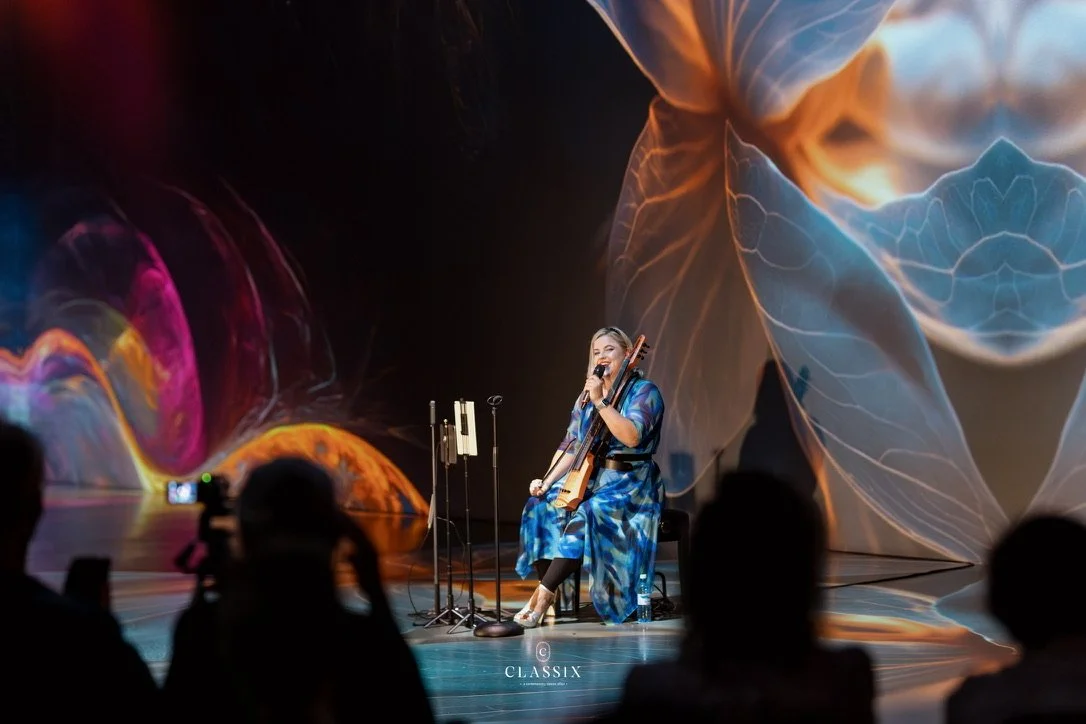
MIRABILIA
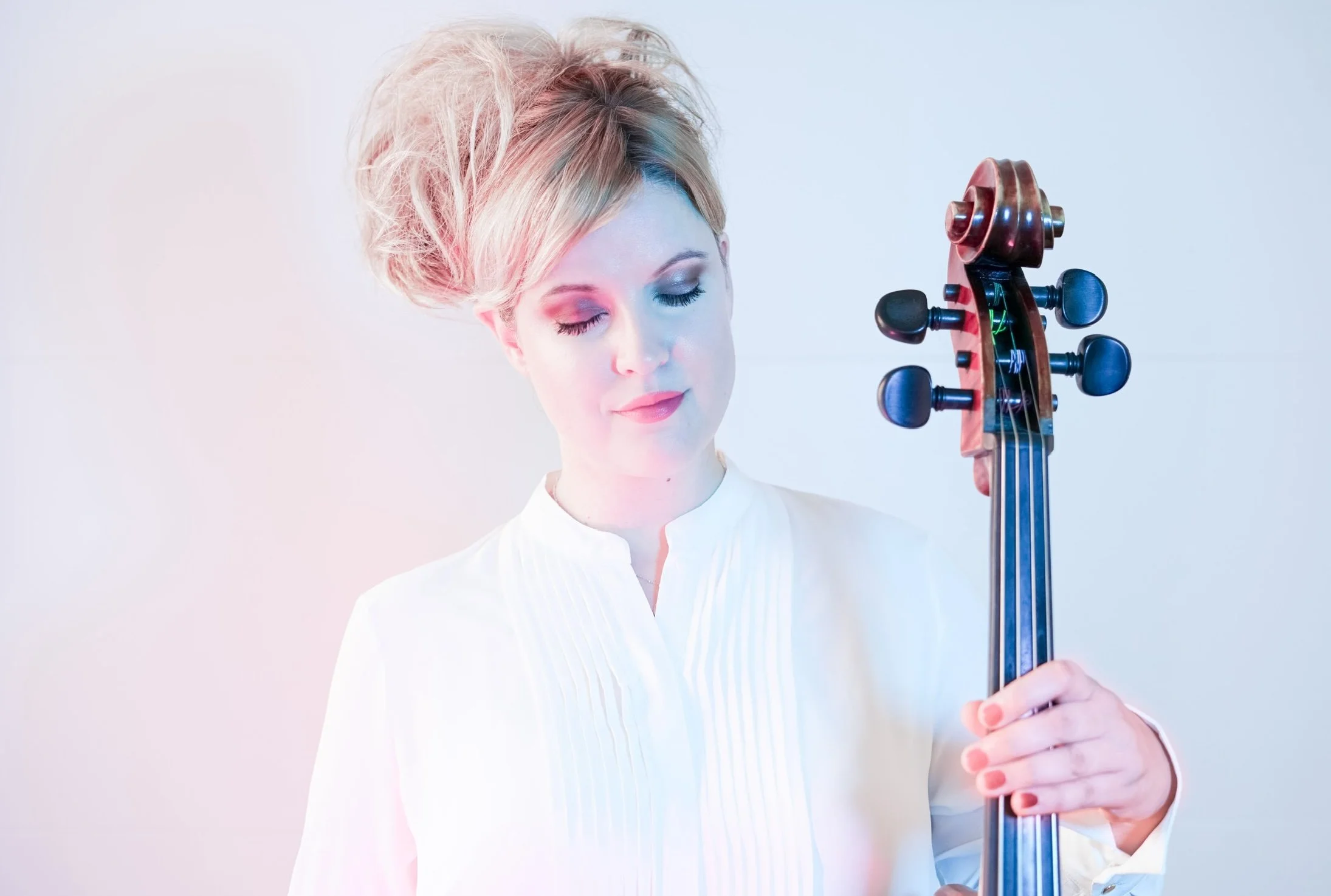
BACHIANA

CELLIPHONIA
Listen
Awards and Grants
OPUS KLASSIK nomination in three categories: Best Solo Instrument, Newcomer and Instrumentalist Of The Year for the album “BACHIANA - A Solo Cello Fantasy”
IBLA GRAND PRIZE for solo performance
IBLA Special Mention for the interpretation of “The Book” by Peteris Vasks
Artist Work Grant by the City of Vienna for “Multicello - Solo but not Alone” project
Austrian Music Fonds Grant for the Album “BACHIANA - A Solo Cello Fantasy”
Press
“Varied and enormously multifaceted cello playing....
It is striking to note an extraordinary ability to modify not only the sound of the strings through precise positioning of the bow but also the resonances within the cello, which she uses deliberately, especially during repetitions.”
“ON NEW SONIC PATHS – The Austrian-Serbian cellist Ana Topalovic never settles for the conventional repertoire canon, as demonstrated by her work in various formations (from the Zadory–Topalovic Duo to the contemporary Green Thing Ensemble), as well as in her solo career. It is here that her pursuit of new directions becomes particularly audible.
Alongside international engagements and the founding of the Treffpunkt: Kunst festival, which supports local artists with a focus on Serbian migration background (since autumn 2015), she has developed a discographic project that opens up a perspective on outstanding new cello music.
Daniele Corsi’s Dark Matter (2013) ventures into analytical, almost mathematical sound worlds, framed by strikingly beautiful melodic lines. Călin Ioachimescu’s Celliphonia for Cello and Electronics reveals the full spectrum of the instrument. Topalovic also demonstrates remarkable cantabile playing in Leggiero by the renowned German-Korean composer Isang Yun. Sofia Gubaidulina’s 10 Preludes for Solo Cello (1974), long established as classics, unfold a newly intensified expressive depth in her interpretation.
Beautiful.”
“Dialogue between present and past... Bach fans will get their money’s worth just as much as proponents of contemporary music... And all it takes is one cello.”
“The cellist opened the program with four movements from the C major Suite for Solo Cello by Johann Sebastian Bach. From the very beginning, it became clear what an outstanding musician the Vienna-based cellist is. A soft yet powerful bow stroke, combined with a refined, even tone of great precision, were defining characteristics of the unpretentious soloist.
Through her facial expression and body language, Ana Topalovic conveyed both the composer’s intent and her own musical interpretation. The result was entirely unforced and free of exaggeration — her body simply reflected the music.”
“Exceptional and beautiful!”